
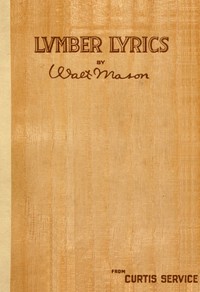
Lumber Lyrics by Walt Mason
Let's clear something up right away: 'Lumber Lyrics' isn't a storybook. Published in 1911, it's a collection of what Walt Mason called 'prose poems'—short, snappy pieces of verse he wrote daily for newspapers across America. Think of it as a series of witty, rhyming snapshots of everyday life in the early 20th century.
The Story
There's no traditional plot. Instead, Mason builds a world through dozens of tiny, self-contained observations. One poem cheers for the humble bean as the king of dinners. Another complains about a talkative, know-it-all neighbor named Si. He writes about the agony of a dull sermon, the battle against flies in summer, and the simple contentment found in a peaceful home. The 'story' is the collective experience of common people—their minor irritations, their small pleasures, and their resilient humor in facing it all. It's the voice of a friend on the front porch, pointing out the funny side of life's little struggles.
Why You Should Read It
I was shocked by how much I enjoyed this. The language is old-fashioned, but the feelings are not. Mason's genius is in finding the universal in the mundane. His poem about a bad cook ruining a meal could be about last night's failed recipe attempt. His grumbles about noisy street traffic feel oddly modern. Reading it is a calming experience. It connects you to the past in a very human way, reminding you that people have always fretted about money, laughed at their neighbors, and sought joy in simple things. It's a book that doesn't ask for hours of your time—just a few minutes here and there for a guaranteed chuckle and a dose of grounded optimism.
Final Verdict
This book is perfect for anyone who loves history, poetry, or just needs a literary palate cleanser. It's ideal for dipping into during a coffee break. If you enjoy Mark Twain's wit or the gentle humor of a Garrison Keillor monologue, you'll find a kindred spirit in Walt Mason. It's also a great pick for readers who might be intimidated by 'serious' poetry—this is poetry that wears overalls and tells a good joke. Don't expect a sweeping epic; expect a warm, funny, and surprisingly timely conversation with the past.
This historical work is free of copyright protections. Feel free to use it for personal or commercial purposes.
James Thomas
1 month agoI took detailed notes while reading through the chapters and the insights into future trends are particularly thought-provoking. This should be on the reading list of every serious professional.
Emily Martinez
3 months agoHaving explored several resources on this, I find that the structural organization allows for quick referencing of key points. I feel much more confident in my knowledge after finishing this.
John Smith
11 months agoI appreciate the objective tone and the evidence-based approach.
Ashley Anderson
1 year agoI appreciate how this edition approaches the core problem, the author’s unique perspective adds a fresh layer to the discussion. I’ll definitely be revisiting some of these chapters again soon.





David Martin
4 months agoThe peer-reviewed feel of this content gives me great confidence.